Engineering Knowledge Built Around the Real World.
Specialist UK electrical engineering training focused on G99/G100 compliance, protection testing, relay testing, DNO witness testing and practical grid connection requirements.
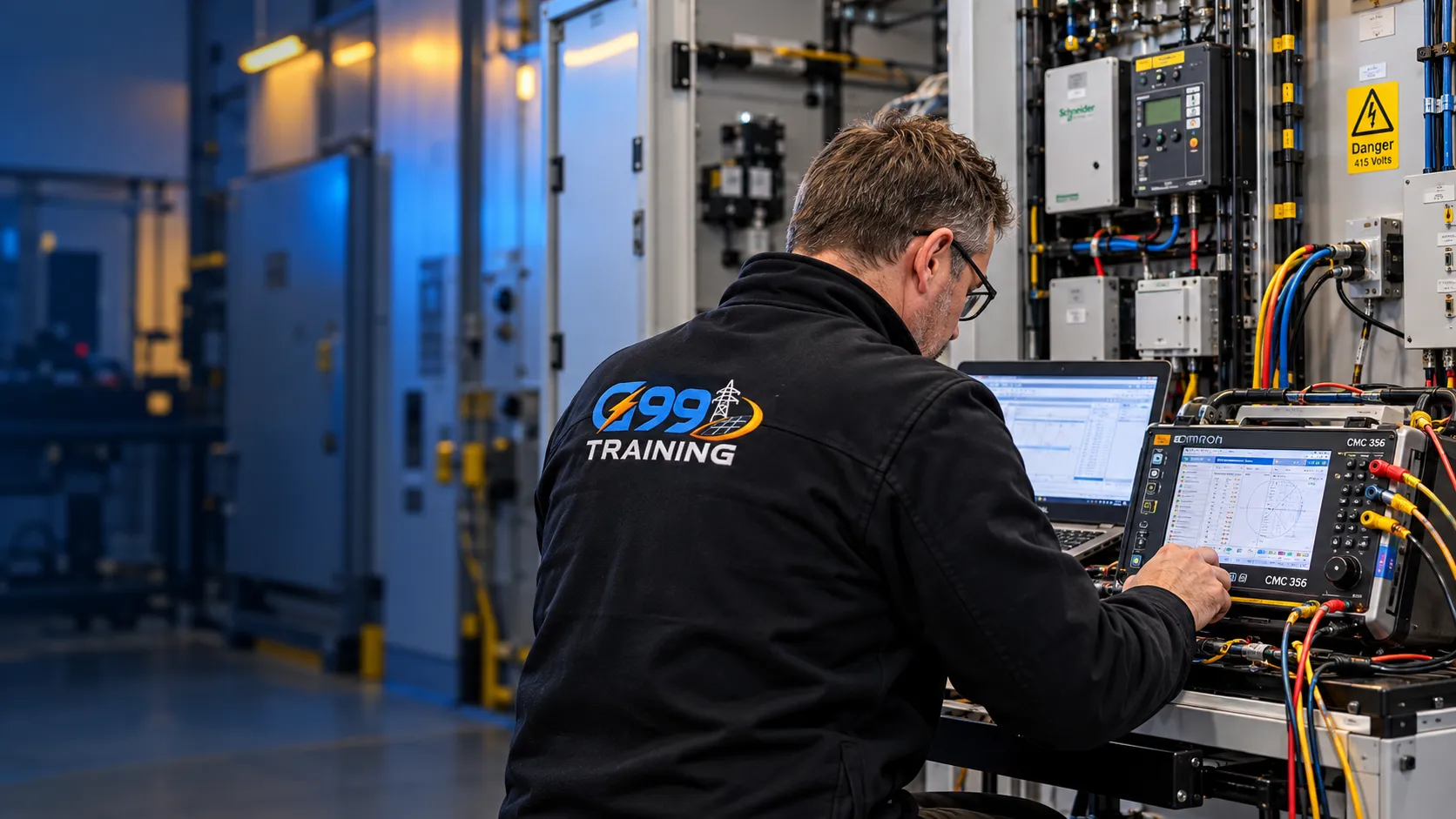
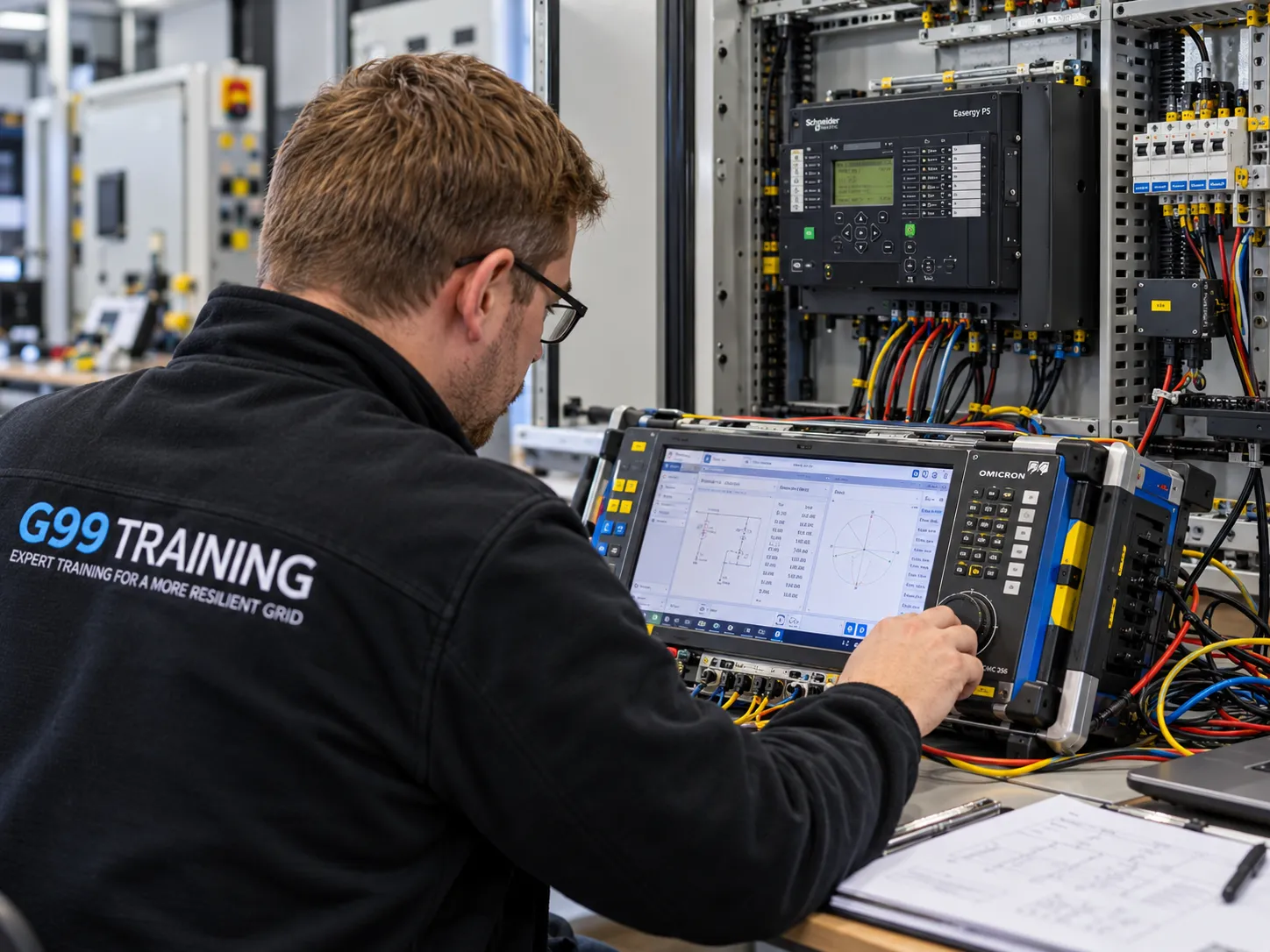
Focused technical learning for electrical engineering professionals.
Real equipment, procedures and engineering scenarios.
Training shaped around grid connection and network requirements.
Practical understanding supported by real engineering experience.
Specialist Training for a Changing Energy Landscape.
G99 Training provides specialist electrical engineering training for professionals involved in the connection, testing and operation of power generating facilities.
Our training helps engineers, installers, manufacturers and asset owners understand the technical and practical requirements surrounding G99, G100, protection systems, relay testing and DNO connection procedures.
We focus on turning technical requirements into practical knowledge that can be confidently applied in real engineering environments — from protection settings and testing through to commissioning and DNO witness procedures.

Meet Dave Pallas Engineering Experience Behind the Training.
Dave Pallas brings decades of practical experience across electrical engineering, power systems, renewable generation, grid compliance and DNO connection requirements.
His engineering background supports the practical approach behind G99 Training — helping engineers understand not only what the standards require, but how those requirements apply to real generating facilities, protection systems and commissioning environments.
Purpose of G99-1.
Engineering Recommendation G99 provides requirements for the connection of Power Generating Facilities to the Distribution Networks of licensed Distribution Network Operators.
G99 addresses the process from standards of functionality through to site commissioning, helping customers, manufacturers and generators understand DNO requirements before connection.
The guidance supports the connection of Power Generating Modules while maintaining the safety, integrity and supply quality of the distribution network.
Equipment must meet the appropriate ENA type-testing requirements and cannot simply be considered type-tested without recognised evidence.
Why is G99 Mains Protection Important?
The generation landscape has changed dramatically. Distribution networks now support a much larger number of distributed generation systems than in the past.
Distributed Generation
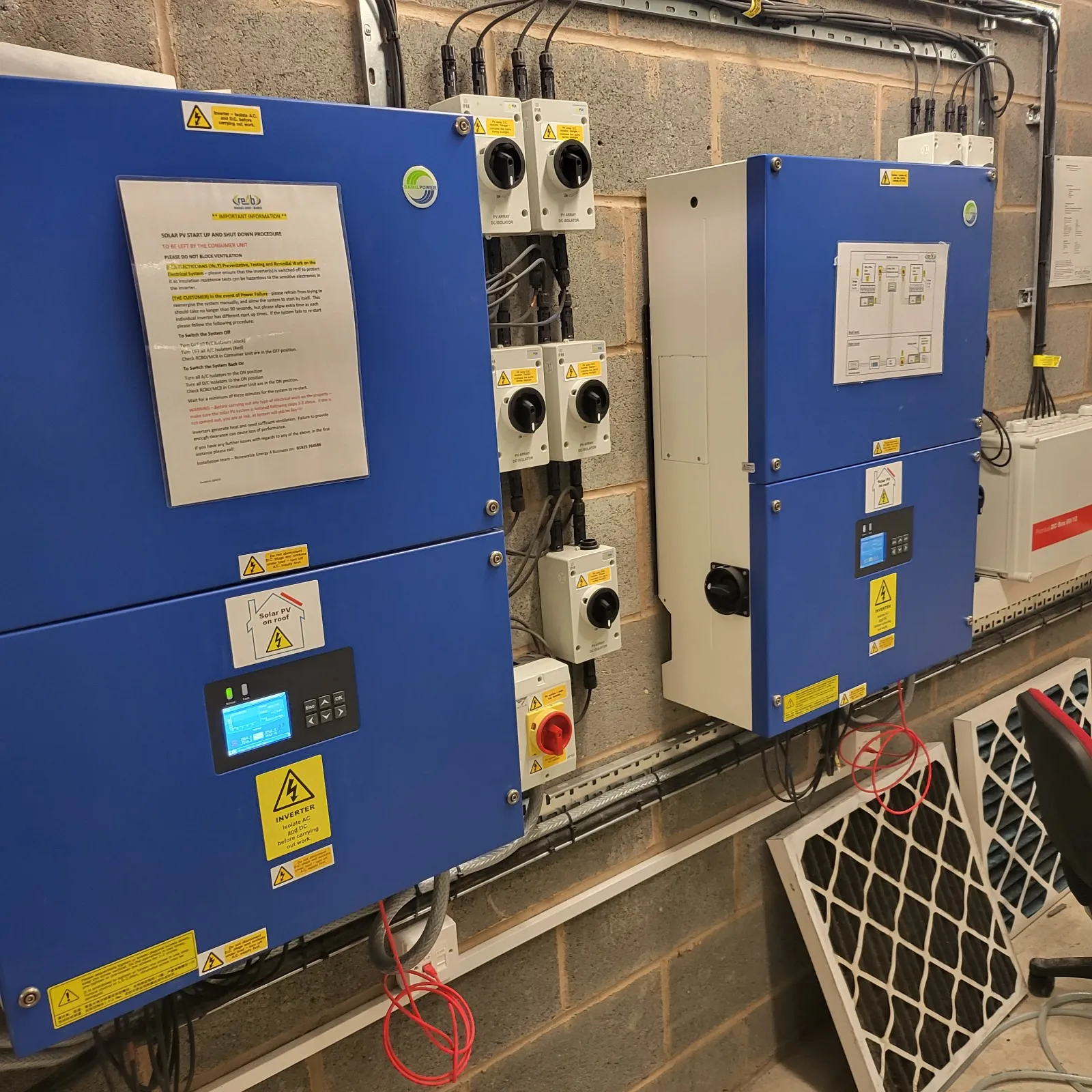
Wind, solar PV and other generating technologies are increasingly connected across local distribution networks.
Grid Stability
More connected generation makes correctly configured protection and reliable network coordination increasingly important.
Generator Behaviour
Engineers must understand how generator characteristics and frequency behaviour affect network protection.
Safe Disconnection
Parallel-to-mains systems require appropriate protection capable of disconnecting generation during abnormal conditions.
Practical Training for Real Engineering Challenges.
Training designed to build practical understanding, confidence and technical capability across G99, protection systems, testing and DNO procedures.
G99 / G100 Compliance
Understand grid connection requirements, DNO expectations and compliance processes from design through commissioning.
Protection Testing
Learn mains protection testing, protection settings and verification procedures.
DNO Witness Testing
Build practical understanding for DNO witness testing and commissioning.
Relay Testing
Relay configuration, secondary injection, settings and protection verification.
Hands-On Training
Work with the equipment and procedures used in real engineering environments.
Engineering Guidance
Keep knowledge aligned with changing standards, industry practice and network requirements.
Real Equipment.
Real Testing.
Real Learning.
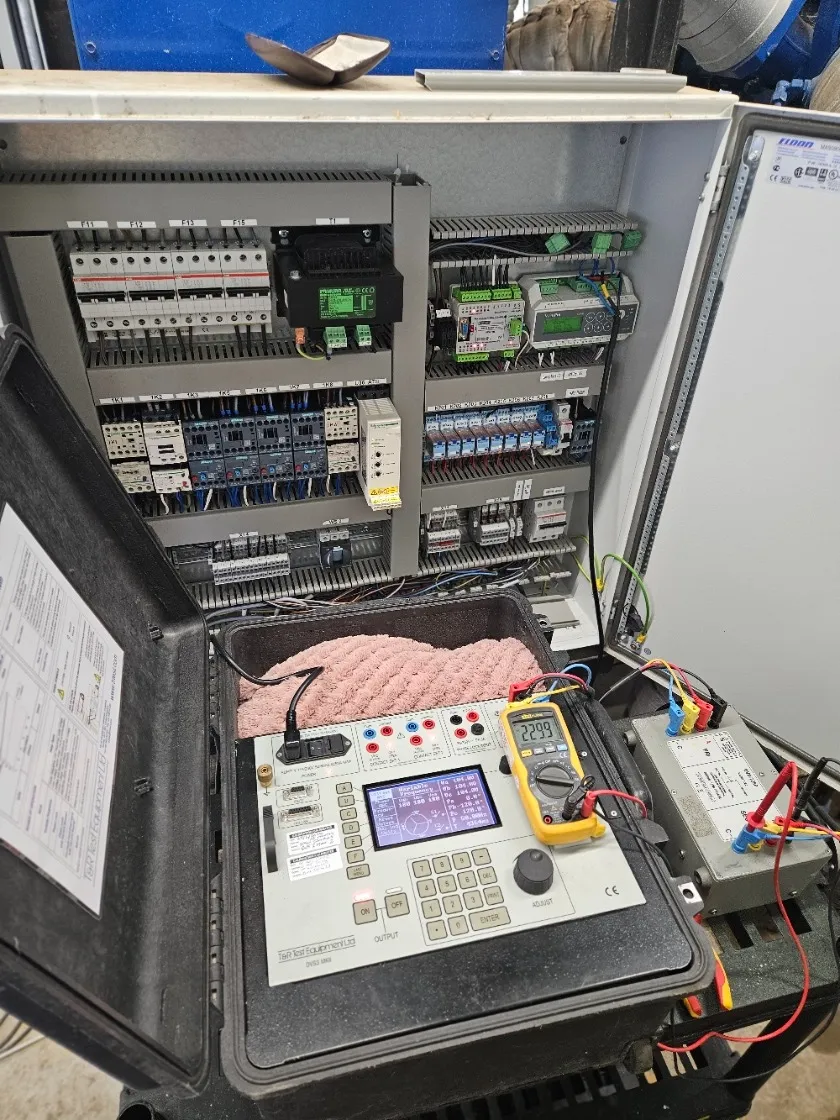
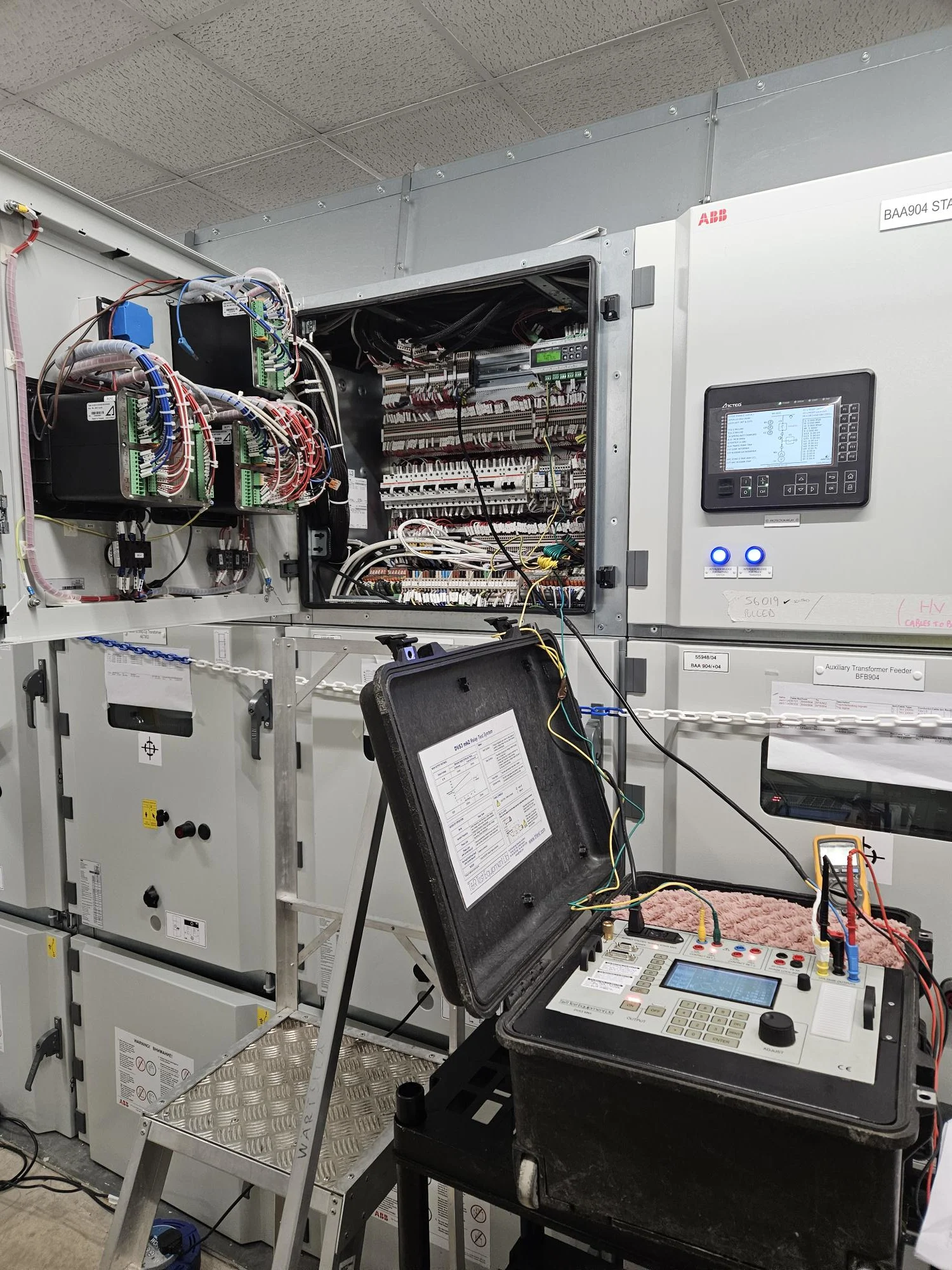
Technical training is most valuable when theory can be connected directly to the equipment and procedures engineers encounter in the field.
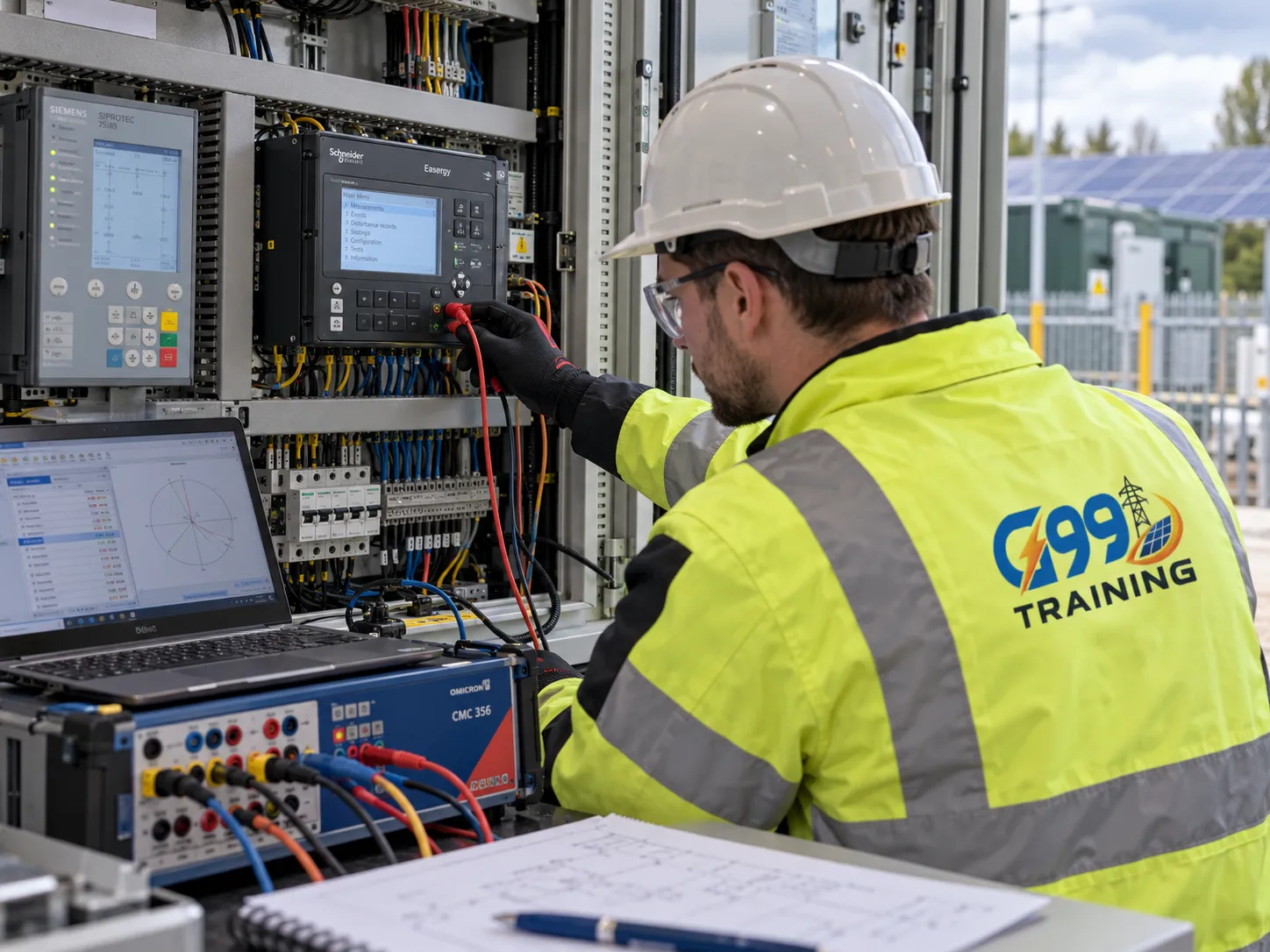
Our practical approach gives delegates experience with protection relays, testing equipment and engineering scenarios designed to improve confidence and understanding.
Explore Training →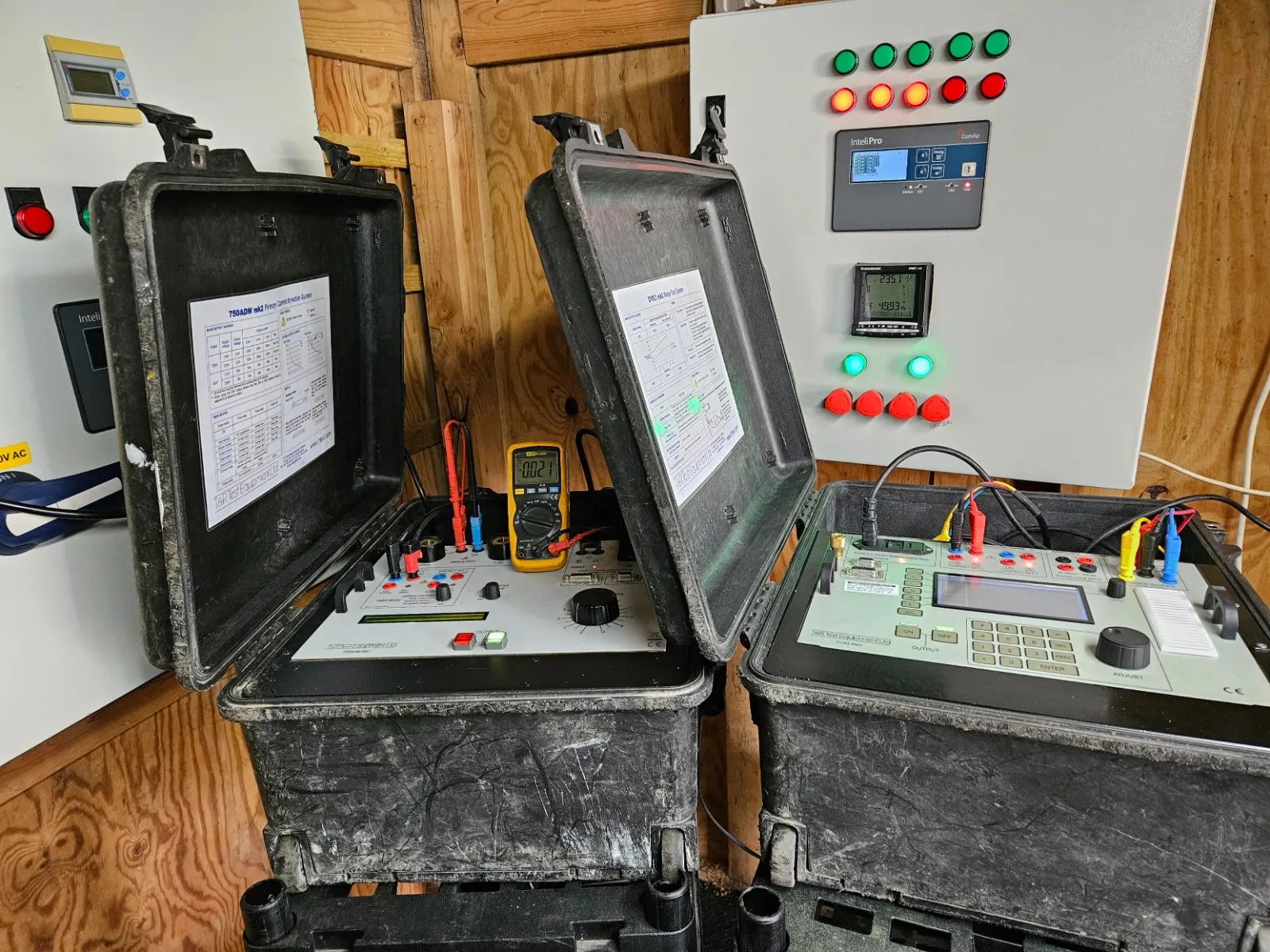
Practical. Relevant. Engineering Focused.
Training designed around the knowledge, tools and requirements engineers need in real-world environments.
Learn through practical engineering knowledge and real-world experience.
Hands-on learning using equipment, protection systems and testing procedures.
Focused on current DNO requirements, standards and practical engineering needs.
Helping engineers keep their knowledge current as requirements evolve.
Engineering Requirements Continue to Evolve.
Protection requirements, loss-of-mains settings, commissioning expectations and DNO procedures continue to develop as the UK electricity network changes.
Engineers who completed previous training may therefore need to update their knowledge as standards, testing procedures and network requirements evolve.